
Arabic AI training jobs remote: dialects, Modern Standard and what clients ask
For experts4 min read
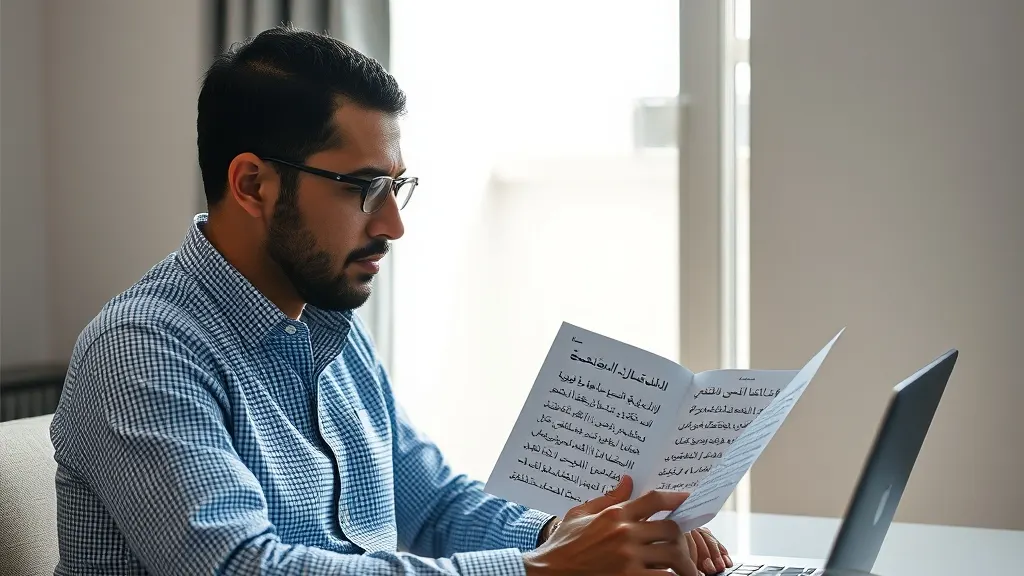
Arabic AI training jobs remote ask for readers who know both the formal written language and everyday speech. You review machine output, rate answers and write sample replies. This article explains the difference between Modern Standard Arabic and dialects, the tasks you may see and a practical way to prove your Arabic.
Arabic AI training jobs remote: the core problem
Wikipedia states that Arabic has about 411 million native speakers across all varieties, plus 70 million second-language users. It also explains that the word can refer to Standard Arabic or to regional dialects that are not necessarily mutually intelligible, and that ISO assigns language codes to 32 varieties. A model that mixes them produces text no native speaker would say.
Source: Arabic, Wikipedia(opens in a new tab)
Standard and spoken forms
Modern Standard Arabic (MSA) is what you find in news, books and official documents. Egyptian, Maghrebi, Levantine and Gulf Arabic are what people use in daily life. The article notes that speakers generally do not distinguish MSA and Classical Arabic, calling both al-fusha. A task will tell you which one to use. Follow it exactly.
Common task types
| Task | Skill |
|---|---|
| Rate two Arabic answers | Judge fluency and accuracy |
| Rewrite MSA as dialect, or the reverse | Know both forms well |
| Check a translation from English | Spot dropped meaning and wrong terms |
| Transcribe a dialect clip | Listen closely, write consistent spelling |
| Write a model answer | Subject knowledge plus clear Arabic |
Script details
Arabic is an abjad written right to left. Short vowel marks are usually left out in everyday writing, so one written form can be read in several ways. A good reviewer notices when a model's choice of reading does not fit the sentence. Mixed text, such as an Arabic sentence with an English brand name, can also scramble punctuation on screen, so check how your editor displays it.
Where Arabic speakers work from
Egypt, Morocco, Algeria, Tunisia, Sudan, Libya and Somalia, among others, use Arabic. Time zones differ. Egypt is on UTC+2 and shifts to UTC+3 for daylight saving between the last Friday of April and the last Thursday of October, according to Wikipedia. Clients in Europe may call at an hour that moves twice a year, so check the converted time.
Source: Time in Africa, Wikipedia(opens in a new tab)
Humour, religion and politics need care. Arabic has many registers for each, and a model can sound rude or silly by mixing them. Reviewers are often asked to rate whether a reply is polite for the situation, not just correct. Think about the reader as well as the words.
Preparing
- Decide which varieties you can write, and not just speak.
- Draft a short bilingual sample: an English paragraph and your Arabic version.
- Note a few dialect words that MSA would replace and the reverse.
- Install and test an Arabic keyboard in your browser and editor.
- Take a test, keep the score and read the feedback.
French, English and Arabic together
In North Africa many professionals use French and Arabic in the same sentence, and in Egypt and the Gulf English is common at work. If you handle two or three languages, state them clearly. Projects often need a reviewer who can compare a French source with an Arabic output.
Money, tax and caution
Pay terms depend on the client. We did not use official sources for tax or exchange rules in any Arabic-speaking country, so check them locally. Do not pay a recruiter, do not hand out an ID until a project has chosen you, and treat a 'guaranteed income' claim as a warning sign. Our article on fake AI training jobs lists more.
Names and numbers deserve one more look. Western digits and Eastern Arabic-Indic digits both appear in Arabic text, and a project will state which it wants. Dates may use the Gregorian or the Hijri calendar. Check the guideline each time, and apply the same choice across the whole batch.
What a strong profile looks like
- One or two varieties named, with examples of your writing.
- A subject area in which you can judge accuracy.
- Clear written English for notes and reasons.
- A test score that supports your claim.
Start
Take one paragraph from each of MSA and your dialect and check them with another speaker. Curatrain tests experts by skill and level, shows their score when they finish and matches them only to jobs whose tests they have passed. Sign up free at https://curatrain.com/login.